
Spring & summer
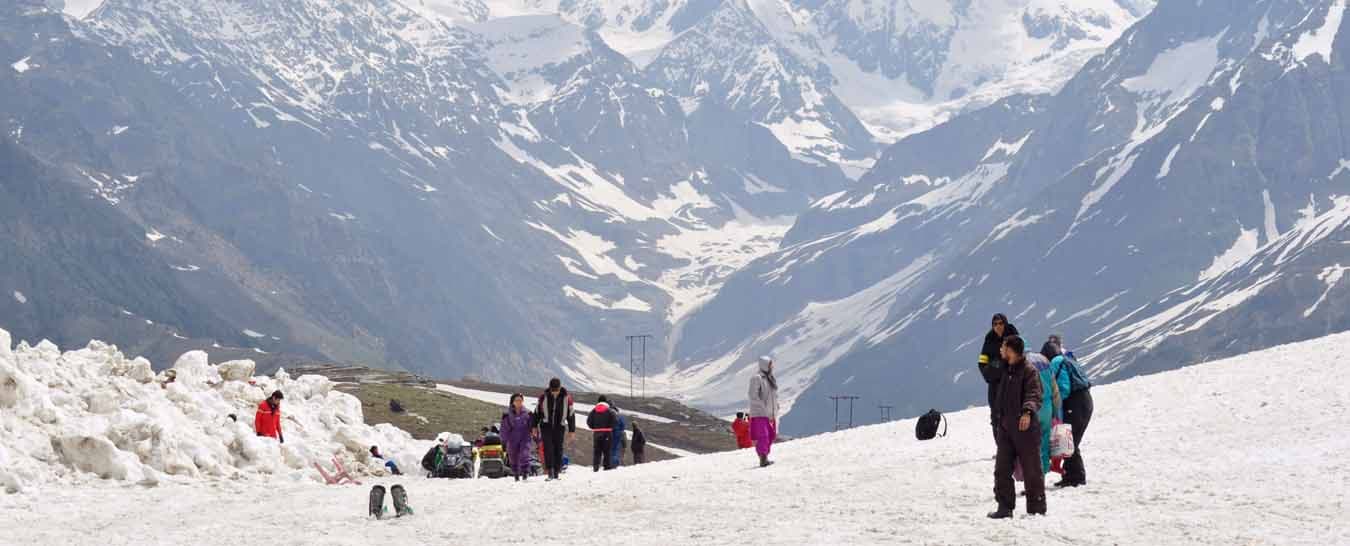
Rhododendron slopes, kite-flying weather and snow still crowning the Dhauladhars. Perfect for the Triund trek, monastery mornings and Kangra valley drives. June brings holiday crowds to McLeodganj's lanes.
With the Dhauladhar wall rising 4,000 m straight off the valley floor, Dharamshala's weather is theatre. Spring and autumn are glorious; monsoon here is among India's heaviest.
Best time to visit Dharamshala: March–June and September–November
Rhododendron slopes, kite-flying weather and snow still crowning the Dhauladhars. Perfect for the Triund trek, monastery mornings and Kangra valley drives. June brings holiday crowds to McLeodganj's lanes.
Dharamshala catches some of Himachal's heaviest rain — dramatic clouds, waterfalls everywhere, and frequent trek closures. Beautiful for slow, indoor-leaning stays; tricky for tight itineraries.
Washed air, sharp Dhauladhar views and ideal trekking temperatures. October's clarity is unmatched, and November stays mild lower down even as Triund nights turn frosty.
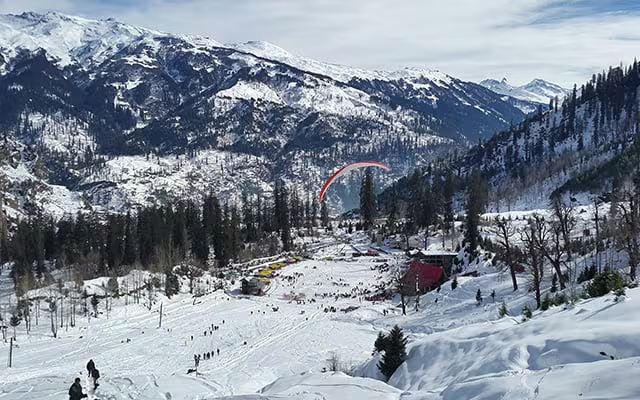
Snow dusts McLeodganj a few times a season while lower Dharamshala stays milder; Triund is snowbound (often closed after heavy falls). Quiet monasteries, clear skies, log-fire evenings.
| Month | Verdict | What to expect |
|---|---|---|
| January | Good | Cold, clear; occasional snow in McLeodganj |
| February | Good | Losar festivities, crisp days |
| March | Excellent | Spring blooms, trekking resumes |
| April | Excellent | Ideal weather across the valley |
| May | Excellent | Warm days, snowy backdrops |
| June | Good | Busy; pre-monsoon build-up late month |
| July | Off season | Very heavy monsoon rains |
| August | Off season | Wettest month, trek closures |
| September | Good | Rains taper, valley gleams |
| October | Excellent | Sharpest Dhauladhar views |
| November | Excellent | Mild, quiet, great trekking |
| December | Good | Winter calm, festive cafés |
March–June and September–November, when the trail is open, campsites operate and the Dhauladhar views are clear. It closes intermittently in monsoon and after heavy winter snow.
A few times each winter, usually January–February — the town at 2,050 m gets brief, pretty snowfalls while Triund above stays white for weeks.
It is one of India's wettest hill stations — July–August can see days of continuous rain with landslide-prone stretches. Unless you specifically want the misty long-stay vibe, choose autumn instead.